
Breaking Down Commercial Freight Shipping Rates: A Guide to Freight Rate Calculations

When managing the logistics of moving goods, understanding how freight rates are calculated is essential. Shipping costs can significantly impact your budget and operational efficiency. In this post, I will break down the key factors that influence freight rate calculations, helping you make informed decisions for your business. Whether you are shipping locally or across states, knowing what goes into pricing can save you time and money.
What Influences Freight Rate Calculations?
Freight rate calculations are not arbitrary. Several factors come into play when determining the cost of transporting goods. Here are the main elements that affect pricing:
Weight and Volume: Heavier and bulkier shipments generally cost more. Carriers often use dimensional weight pricing, which considers both size and weight.
Distance: The farther your shipment travels, the higher the cost. This includes fuel expenses and driver time.
Type of Freight: Different goods require different handling. Hazardous materials, perishables, or fragile items may incur additional fees.
Mode of Transport: Shipping by truck, rail, air, or sea each has distinct cost structures.
Service Level: Expedited or guaranteed delivery services usually come at a premium.
Accessorial Charges: These are extra fees for services like liftgate delivery, inside pickup, or residential delivery.
Understanding these factors helps you anticipate costs and negotiate better rates with carriers.

Freight Rate Calculations: Key Components Explained
Breaking down freight rate calculations further, it’s important to understand the pricing models carriers use. Here are the most common components:
Base Rate
This is the starting price for shipping a load. It depends on the shipment’s weight, volume, and distance.
Fuel Surcharge
Fuel prices fluctuate, so carriers add a surcharge to cover these costs. This is usually a percentage of the base rate.
Accessorial Fees
Additional services like loading assistance, storage, or special handling add to the total cost.
Minimum Charges
Some shipments may have a minimum fee regardless of size or weight.
Discounts and Negotiations
Businesses with regular shipments can often negotiate better rates or volume discounts.
By understanding these components, you can better evaluate quotes and avoid unexpected charges.
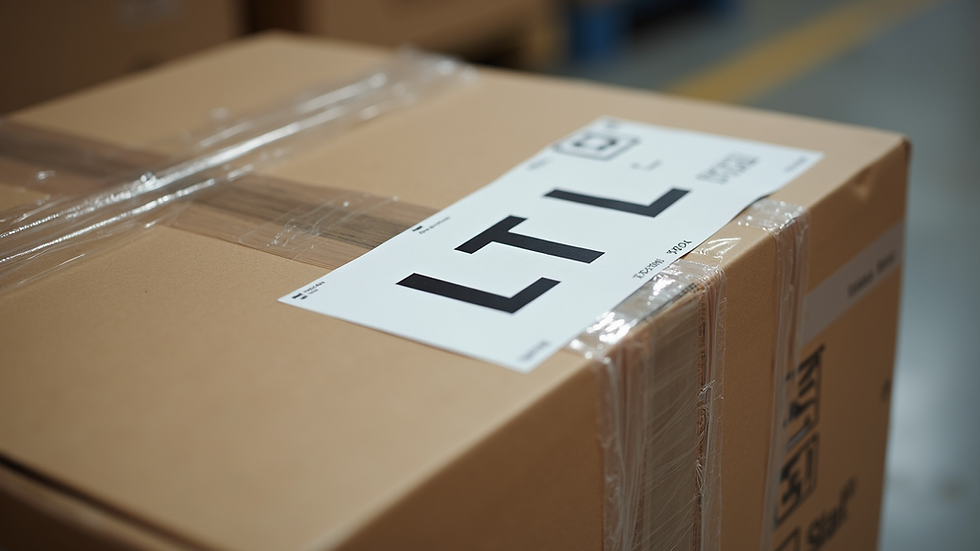
How to Calculate LTL Freight Rate?
Less-than-Truckload (LTL) shipping is common for businesses that don’t need a full truck. Calculating LTL freight rates involves several steps:
Determine the Class of Freight
Freight classes range from 50 to 500 and are based on density, stowability, handling, and liability. Higher classes usually mean higher rates.
Calculate the Weight
Use the actual or dimensional weight, whichever is greater. Dimensional weight is calculated as (Length x Width x Height) / 139 for inches.
Find the Base Rate
Use the freight class and weight to find the base rate from the carrier’s rate chart.
Add Fuel Surcharge and Accessorial Fees
Include any additional charges applicable to your shipment.
Apply Discounts
If you have negotiated rates, apply them here.
For example, if you ship a 500-pound pallet with a freight class of 70 over 500 miles, you would start with the base rate for that class and weight, then add fuel and any extra fees.
Tips for Managing and Reducing Freight Costs
Managing freight expenses is crucial for maintaining profitability. Here are some practical tips:
Consolidate Shipments
Combine smaller shipments to fill a truck and reduce per-unit costs.
Choose the Right Carrier
Compare rates and services from multiple carriers to find the best fit.
Optimize Packaging
Use packaging that minimizes dimensional weight without compromising safety.
Plan Ahead
Avoid expedited shipping by scheduling deliveries in advance.
Leverage Technology
Use freight management software to track shipments and analyze costs.
Negotiate Contracts
Build relationships with carriers to secure volume discounts and better terms.
By applying these strategies, you can control your shipping budget more effectively.
Understanding the Impact of Freight Rates on Your Business
Freight costs directly affect your bottom line and customer satisfaction. High shipping rates can reduce profit margins, while delays can harm your reputation. That’s why it’s important to work with a reliable freight partner who understands your needs and offers transparent pricing.
For businesses looking to expand across Australia, partnering with a trusted freight provider ensures goods arrive on time and within budget. Sustainability is also becoming a priority, so consider carriers that use eco-friendly practices.
If you want to learn more about how pricing works, check out this detailed guide on commercial freight shipping rates.
Planning for the Future of Freight Shipping
The freight industry is evolving with technology and environmental concerns shaping its future. Automation, real-time tracking, and alternative fuels are becoming standard. Staying informed about these trends can help you adapt your logistics strategy.
Investing in efficient freight solutions today will pay off in reliability and cost savings tomorrow. Keep monitoring your freight expenses and seek continuous improvement.
By understanding freight rate calculations and the factors influencing them, you can make smarter shipping decisions. This knowledge empowers you to negotiate better rates, optimize your supply chain, and ultimately support your business growth.


Comments